
Mission
- To provide a global platform where young people can showcase sustainability-driven ideas.
- To connect students, educators, and communities with experts, mentors, and international networks.
- To strengthen green skills, climate awareness, and responsible leadership among the next generation.
- To encourage practical, community-focused innovations that address real environmental challenges.
- To integrate ethics, inclusivity, and long-term impact into sustainability education.
The Edupro Global Green Talent Awards 2026 marks the second edition of this global sustainability competition, building on the success and momentum of GTA 2025.
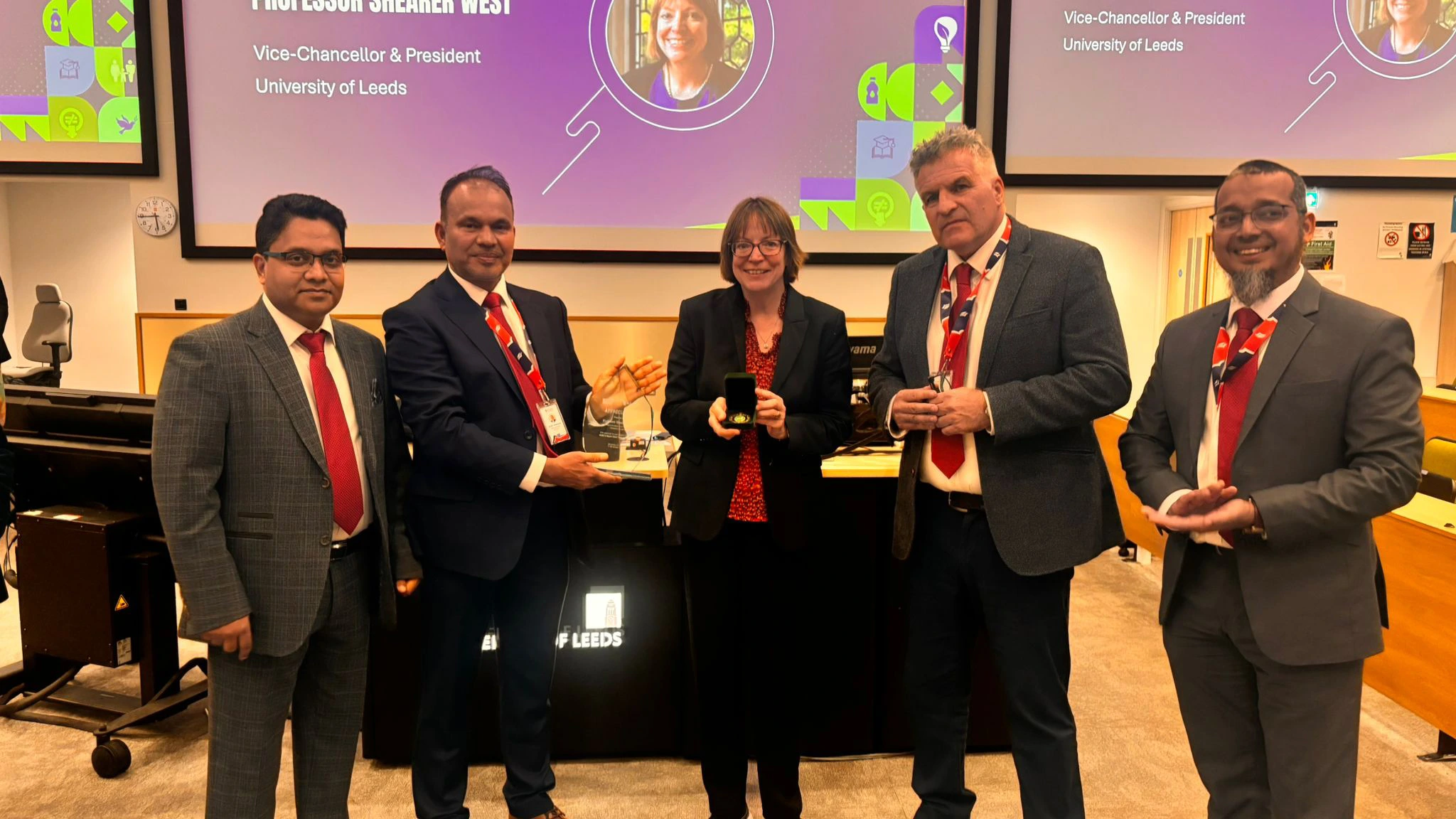
Organised by Edupro UK in strategic partnership with the University of Leeds, GTA 2026 expands its reach with more countries, more institutions, and more opportunities for young innovators to create real environmental impact.
This year’s programme introduces new features, including the Global Green Ambassador initiative, a stronger mentorship model, enhanced learning resources, and updated submission formats—ensuring a richer and more supportive experience for participants worldwide.
Participants progress through multiple competition rounds, gaining exposure, feedback, and the chance to present at the international stage alongside experts, academics, sustainability leaders, and global partners.
GTA 2026 aims to cultivate green skills, promote ethical leadership, and inspire young people to turn ideas into action creating a powerful movement for a greener and more sustainable future.
Key Dates & Rounds
Team
Registration
11 November 2025
to 31 March 2026
Round 1 Open Case Challenge
- Case Release: 1 March 2026
- Submission Deadline: 15 April 2026
- Result Announcement: 25 April 2026
- Focus: Global awareness and entry-level innovation challenge
Round 2 – Innovation Development
-
Case Release: 27 April 2026
-
Submission Deadline: 30 May 2026
-
Result Announcement: 10 June 2026
-
Focus: Deep dive into practical, evidence-based sustainability solutions
Round 3 – Implementation Plan
-
Case Release: 15 June 2026
-
Submission Deadline: 25 July 2026
-
Result Announcement: 10 August 2026
-
Focus: Detailed implementation plan, prototype, or simulation model. Finishes before August holiday and ensures 3 full months for visas & travel.
Round 4 – Grand Finale at the University of Leeds
-
Finalist Presentations Submission: 15 September 2026
-
Award Date: Wednesday, 21 October 2026
-
Format: Hybrid (Onsite + Online Global Participation)
Themes &
Focus Areas
The Edupro Green Talent Awards are built around five powerful and future-focused themes. Each theme reflects a real-world area where young people can lead with ideas, action, and innovation to create a more sustainable world. Explore the themes below to find where your passion fits best.

Theme 1
Circular Economy & Zero Waste
Reimagine waste. Redesign systems.
Rethink consumption. A circular economy is a system where products, materials, and resources are reused, repaired, shared, and recycled for as long as possible - minimizing waste and environmental impact. It replaces the traditional “take-make-dispose” model with one that keeps value in the loop. Zero waste is a lifestyle and design principle focused on eliminating waste by making smart choices at every stage- from production to disposal.
This theme challenges participants to explore how products, materials, and resources can be kept in use for as long as possible. From reducing single-use plastics to launching creative reuse projects, it's all about transforming “waste” into value and designing for a waste-free world.
Topics may include:
- Upcycling & product redesign
- Waste-free events or systems
- Community recycling or composting initiatives
- Fashion swaps, repair cafés, and second-hand solutions
- Local circular economy models
Theme 2
Clean Energy & Climate Solutions
Power up the planet—with renewable energy and bold ideas. This theme focuses on the shift from fossil fuels to clean, renewable energy sources such as solar, wind, hydro, and biogas. It also covers climate solutions - innovations and actions that reduce greenhouse gas emissions, improve energy efficiency, and help communities adapt to climate change.
Participants in this theme tackle the urgent need to transition to clean, affordable, and reliable energy while addressing the climate crisis. Projects may involve energy innovation, advocacy, awareness, or smart ways to reduce emissions.
Topics may include:
- Solar, wind, or biogas solutions
- Energy efficiency in schools or homes
- Youth-led climate campaigns
- Tools to reduce carbon footprints
- Community preparedness for climate shocks
Theme 3
Sustainable Cities & Communities
Design the future. Make places livable, green, and just. A sustainable city or community is designed to meet the needs of the present—without compromising the ability of future generations to thrive. It ensures access to housing, transport, public spaces, clean air, water, energy, and safety, all while protecting the environment and promoting inclusion.
This theme is about building urban and rural environments that are inclusive, climate-resilient, and resource-smart. Whether you're greening your school, improving transport, or reimagining public spaces, your ideas can help create cities that work for people and the planet.
Topics may include:
- Urban gardening or tree-planting
- Sustainable mobility (walking, biking, public transit)
- Smart, clean, or energy-efficient buildings
- Youth mapping of sustainability issues in local areas
- Affordable housing and equitable access
Theme 4
Green Business & Finance
Make sustainability make business sense.
Green business refers to companies and startups that operate in ways that are environmentally responsible, socially conscious, and economically viable. Green finance supports sustainability through investments, funding, or financial tools that benefit people and the planet—such as impact investing, ethical banking, or green bonds.
This theme empowers young changemakers to shape the future of enterprise and finance. Whether launching an eco-startup, advocating for ethical investments, or promoting responsible consumption—it's about using business as a force for environmental and social good.
Topics may include:
- Social entrepreneurship with environmental goals
- Green product or service ideas
- Financial literacy for sustainability
- Circular supply chain models
- Youth investment clubs or impact fund concepts
Theme 5
Sustainability Education & Behaviour Change
Change minds. Change habits. Change the world.
This theme focuses on building awareness, knowledge, and habits that support sustainable living. It includes climate education, environmental literacy, and creative ways to inspire communities to change behaviours—from reducing waste to conserving energy and supporting nature.
This theme invites participants to build a culture of sustainability through education, storytelling, and community engagement. From school campaigns to digital media, it's about inspiring others to live and think sustainably through creative, inclusive approaches.
Topics may include:
- Climate education for schools or youth groups
- Behaviour change campaigns (water, food, energy)
- Comics, films, or digital storytelling for impact
- Climate literacy workshops or toolkits
- Youth teaching youth initiatives
How the Competition Works
Edupro Global Green Talent Awards 2026 follows a clear, structured, and globally accessible competition model that guides young people from idea generation to presenting on an international stage. The process includes four progressive rounds designed to build awareness, innovation, practical planning, and presentation skills.
Step 1
Team Registration
Teams of 3 to 5 members, aged 16 to 32, register online through the official GTA website.
Team Requirements
- All members must be aged 16–32 at the time of registration.
- Teams must have a minimum of 3 and a maximum of 5 members.
- Once submitted, team re-arrangement or member replacement is NOT allowed.
- Every team must choose a team name of no more than two words (excluding the word “Team”).
- Winner and Runner-Up team members of GTA 2025 may not compete in GTA 2026, but they may participate as Mentors or Green Ambassadors.
Who Can Join?
- School, college, and university students
- Community youth groups
- Independent teams of young innovators
Teams may represent their institution, community, country, or join independently.
Participants will be assigned one of the five competition themes in Round 1 when the case challenge is released.
Step 2
Round 1 – Open Case Challenge
Case Release: 1 March 2026
Submission Deadline: 15 April 2026
Results: 25 April 2026
Teams respond to a global sustainability case challenge by submitting a short idea proposal.
Focus:
- Global awareness
- Problem understanding
- Entry-level innovation
- Creativity and relevance
Successful teams advance to Round 2.
Step 3
Round 2 – Innovation Development
Case Release: 27 April 2026
Submission Deadline: 30 May 2026
Results: 10 June 2026
Teams deepen their original idea through research, evidence, community insights, feasibility analysis, and innovation methods.
Focus:
- Practicality
- Research and evidence
- Community relevance
- Innovation strengths
Advancing teams move to Round 3.
Step 4
Round 3 – Implementation Plan
Case Release: 15 June 2026
Submission Deadline: 25 July 2026
Results: 10 August 2026
Teams develop a detailed implementation plan, a prototype, simulation, or demonstration model.
Round 3 concludes before August to allow three full months for visa and travel arrangements for international finalists.
Focus:
- Execution planning
- Real-world application
- Impact forecasting
- Prototype or model development
Finalists advance to the Grand Finale.
Step 5
Round 4 – Grand Finale at the University of Leeds
Final Presentation Submission: 15 September 2026
Award Ceremony: Wednesday, 21 October 2026
Format: Hybrid (Onsite + Online Global Participation)
Finalist teams present to a panel of academics, sustainability experts, industry leaders, and international partners.
Judging Criteria:
- Innovation & creativity
- Ethical and environmental impact
- Feasibility & scalability
- Community benefit
- Quality of presentation
Rules & Eligibility
TEAM FORMATION REQUIREMENTS
Team Size
- Each team must have a minimum of 3 members and a maximum of 5 members.
Age Requirement
- All team members must be between 16 and 32 years old at the time of registration.
Team Stability
- Once a team is registered, team re-arrangement, member replacement, or adding new members is strictly not allowed throughout the entire competition.
Prior Winners’ Restriction
- Members of the Winner and Runner-Up teams of GTA 2025 cannot register as competitors in GTA 2026.
- They may participate as: Team Mentors, or GTA Green Ambassadors (Volunteers)
Team Name
- Each team must have a unique team name.
- The team name must consist of no more than two words, excluding the word “Team”.
- Names must be respectful, appropriate, and free from political, religious, or offensive content.
PARTICIPATION ELIGIBILITY
Who Can Participate?
Teams may consist of:
- School students
- College and university students
- Community youth groups
- Independent teams of young innovators
Participants may represent their:
- Institution
- Community
- Country
or participate independently.
Global Participation
- GTA 2026 is open to participants from all countries.
COMPETITION THEME ALLOCATION
- Teams will receive one of the five official GTA 2026 themes during Round 1 (Open Case Challenge).
- Themes cannot be changed or swapped between teams.
CONDUCT & ETHICAL STANDARDS
Participants must:
- Uphold ethical behaviour, respect, and professionalism.
- Avoid plagiarism, misinformation, or submission of false evidence.
- Ensure all work submitted is original, team-created, and authentic.
SUBMISSION REQUIREMENTS
- All submissions must be uploaded within the specified deadlines (Round 1, Round 2, Round 3, and Final Presentation).
- Late submissions may not be accepted unless exceptional circumstances are approved in writing.
- Files must follow the required format outlined in each round’s guidelines.
COMMUNICATION & RESPONSIVENESS
- Teams must maintain regular communication via the email or WhatsApp number provided during registration.
- Unresponsive teams may lose eligibility to continue to the next round.
TRAVEL & VISA REQUIREMENTS (FINALISTS ONLY)
- International finalists must comply with visa processes and travel requirements for attending the Grand Finale at the University of Leeds (if wants to participate in-person).
- GTA organisers will provide support documents, but the visa decision rests solely with immigration authorities.
DISQUALIFICATION GROUNDS
A team may be disqualified for:
- Providing false information
- Violating age or team size rules
- Changing members after registration
- Submitting plagiarised or fabricated work
- Disrespectful conduct or unethical behaviour
- Missing deadlines without valid reason
ACCEPTANCE OF RULES
By registering for the Green Talent Awards 2026, all team members confirm that they:
- Have read and understood these Rules & Eligibility criteria
- Agree to abide by all competition guidelines and deadlines
- Understand that organiser decisions are final